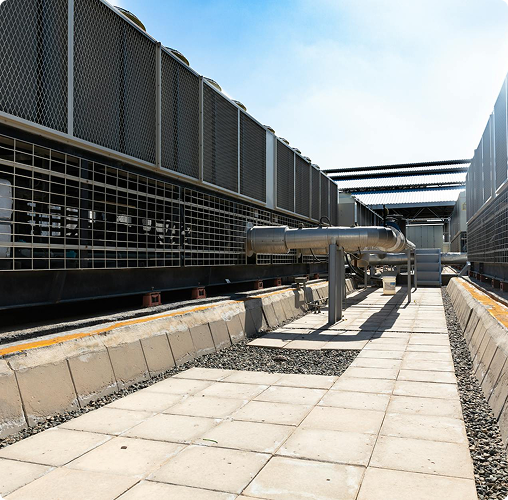

Hydrofluorocarbons
HYDROFLUOROCARBONS
- GWP: GWP 20 years: 3830 | GWP 100 years: 1430
- Atmospheric Lifespan: 15 years.
Hydrofluorocarbons (HFCs) are a group of synthetic greenhouse gases used primarily as refrigerants. They are potent short-lived climate pollutants, but have no ozone-depleting potential and are not chemically reactive in the lower atmosphere. Common HFCs in India are HFC-134a, HFC-125, HFC-143a, HFC-152a, and HFC-227ea.
Phasing down HFCs under the Kigali Amendment offers significant climate mitigation potential without compromising cooling needs.
If the Kigali Amendment is not implemented, HFC demand is projected to rise sharply, with alarming climate implications.
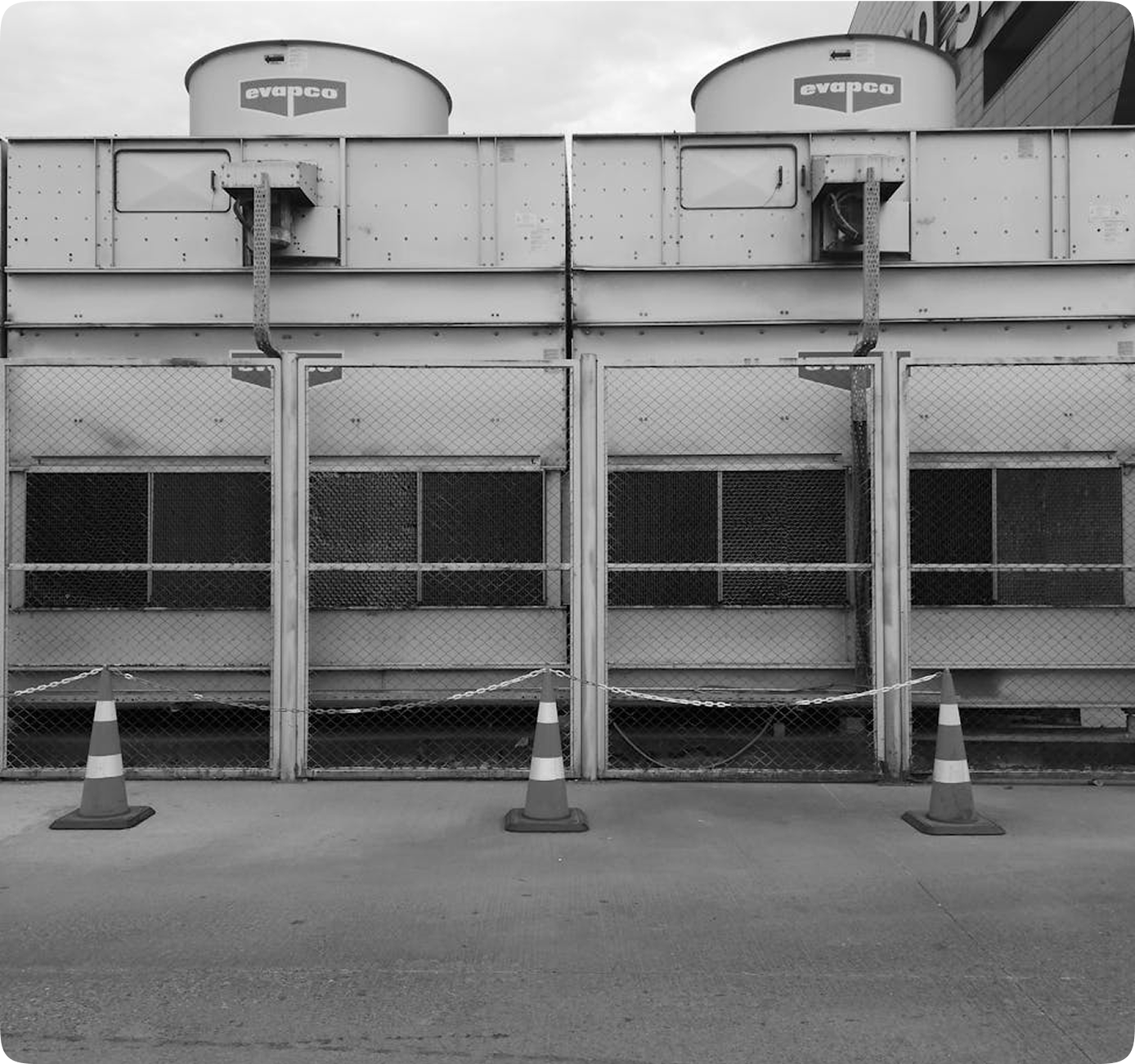
Key Contributors to HFCs EMISSIONS
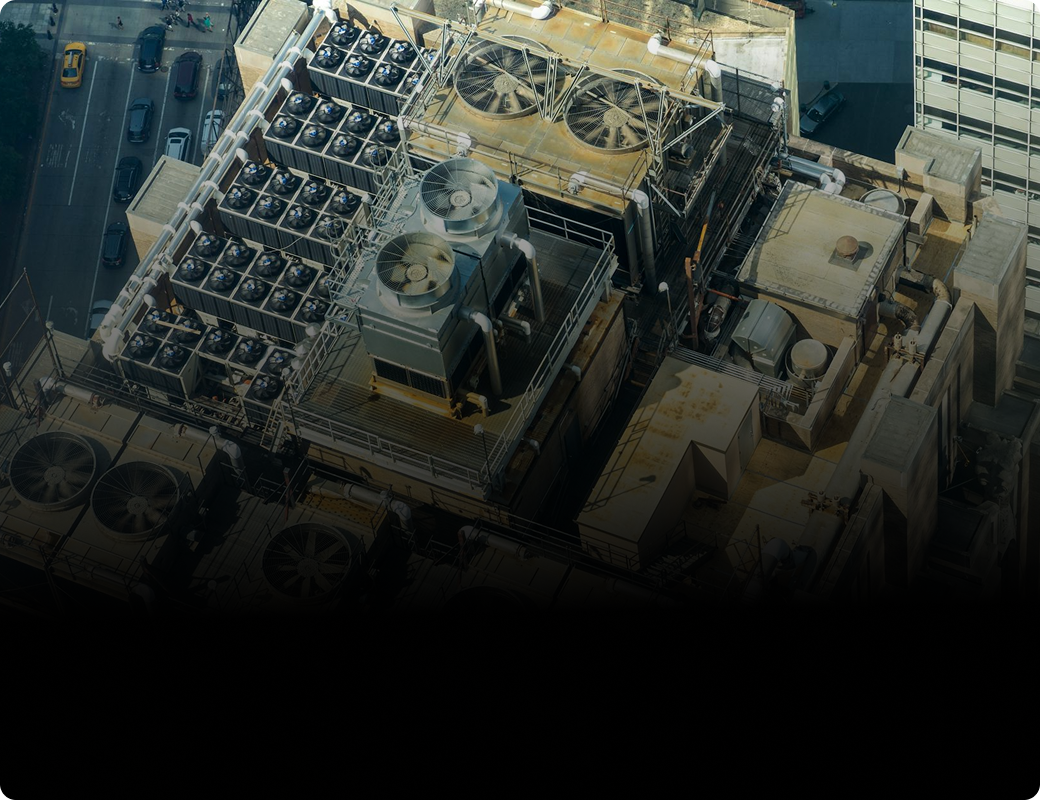

Refrigeration & Air Conditioning


Foam Blowing Agents
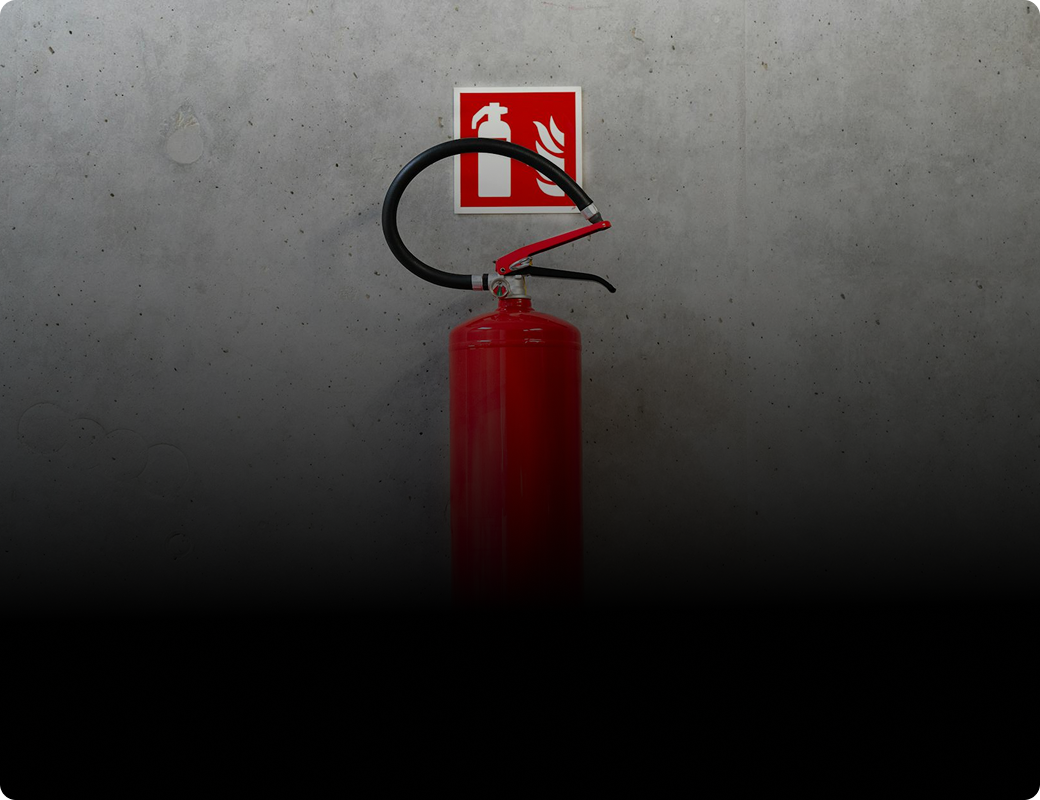

Fire Extinguishers
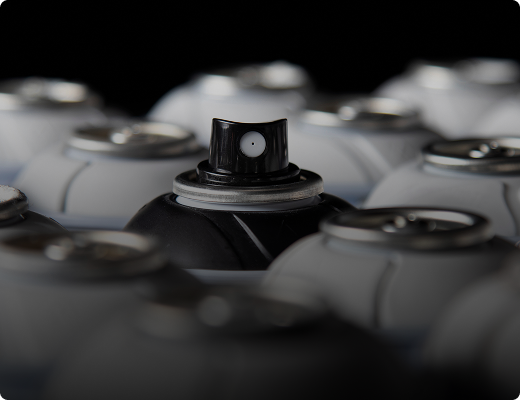
Aerosol Propellants
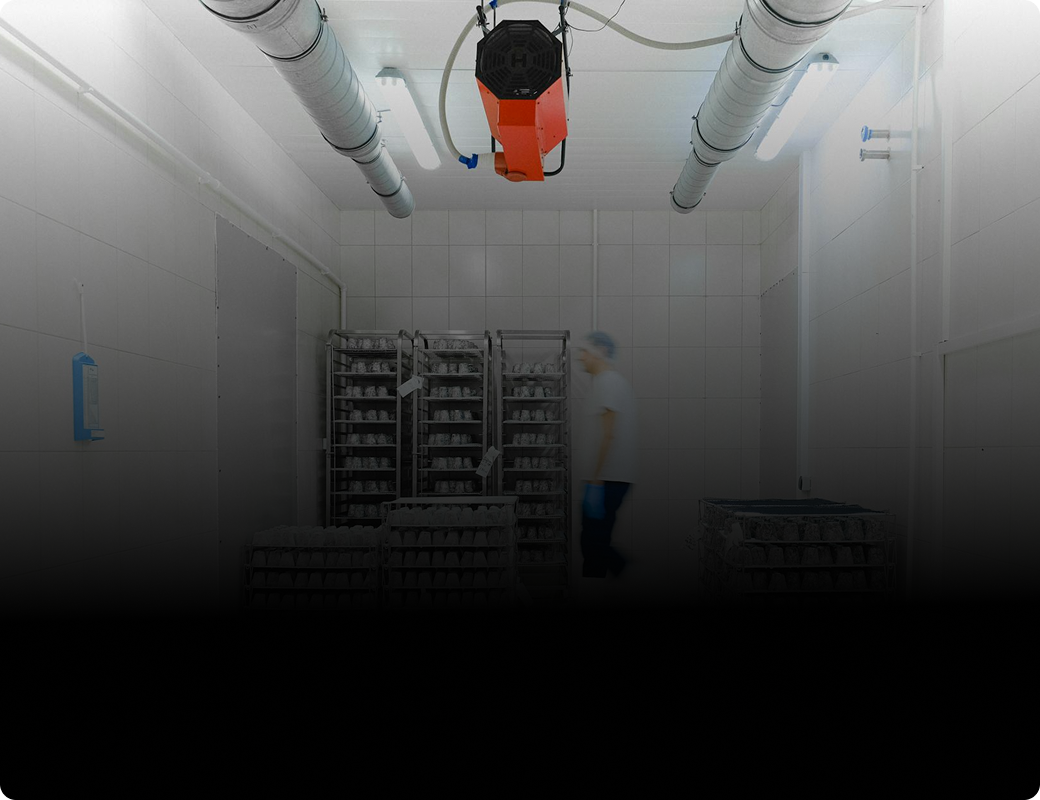

Industrial Applications
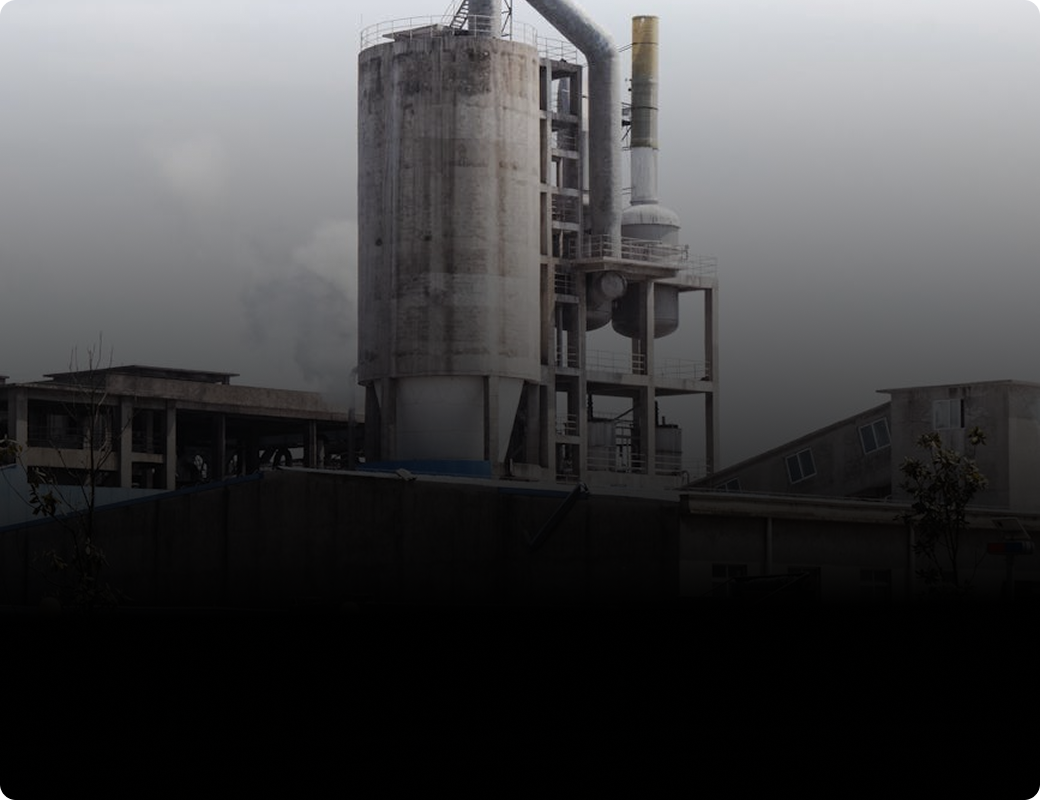

Leakage and Disposal
Mitigation Measures
Mitigating HFCs involves advancing sustainable cooling through efficient technologies, better refrigerant management, skilled workforce, and focused R&D initiatives.
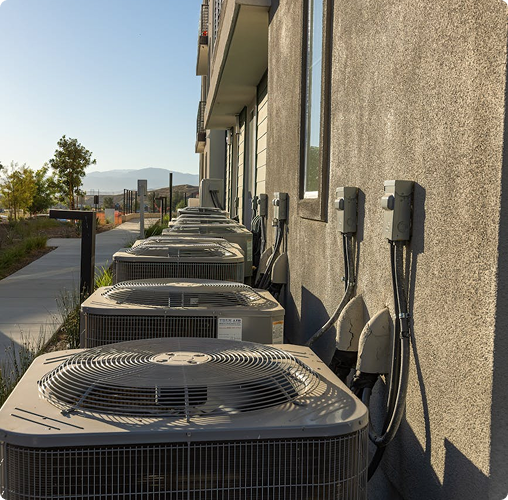
Space Cooling
Enhancing space cooling through energy-efficient buildings, appliance standards, and inclusive policies can reduce cooling demand, lower emissions, and improve thermal comfort for all.
-
 Promote wider penetration of climate responsive built spaces
to bring thermal comfort through passive cooling.
Promote wider penetration of climate responsive built spaces
to bring thermal comfort through passive cooling.
-
Government support towards targeted programmes to enable
thermal comfort for Economically Weaker Sections (EWS) and
Low-Income Groups (LIG).
-
Ensure 100% compliance with the Energy Conservation Building
Code (ECBC) for all new residential and commercial
constructions; implement nationwide ECBC adoption and
mandatory indoor temperature norms in commercial buildings.
-
Mandate star labelling for fans, introduce Minimum Energy
Performance Standards (MEPS) for evaporative coolers, and
promote eco-labelling for all cooling appliances.
-
Institutionalize Demand Side Management with DISCOMs to
replace inefficient air conditioners and drive adoption of
energy-efficient appliances through incentives and awareness
campaigns.
-
Encourage urban heat action plans for cities with
populations over 2.5 million.
-
Promote thermal storage with cooling systems and adopt
Time-of-Day power tariffs to manage peak load.
-
Support retrofits and improved O&M in existing buildings to
cut cooling energy use and encourage adoption of
alternative, not-in-kind cooling technologies.
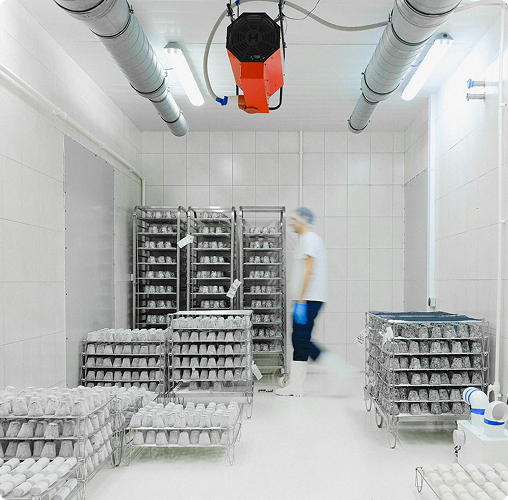
Improving Cold Chain and Refrigerant Management:
Improving cold chain systems and refrigerant use helps cut emissions and energy demand. Using low-GWP refrigerants and efficient tech ensures sustainable cooling.
-
Promote energy-efficient cold chain infrastructure using
low-GWP refrigerants and standardized designs for small,
medium, and large facilities.
-
Develop safety standards for flammable and toxic
refrigerants in cold storage, ensuring compliance with IEC
60335-2-40.
-
Implement programs to retrofit existing cold storages to
reduce refrigerant demand, cooling load, and energy
consumption.
-
Bring commercial refrigeration equipment like water coolers
and freezers under BEE star ratings and periodically enhance
energy efficiency norms for refrigerators.
-
Provide specialized training for cold chain professionals
and farmers to improve technology utilization and
pre/post-harvest produce management.
-
Develop and produce low-GWP refrigerants, including
indigenous production of HFOs and blends of HFOs with HFCs.
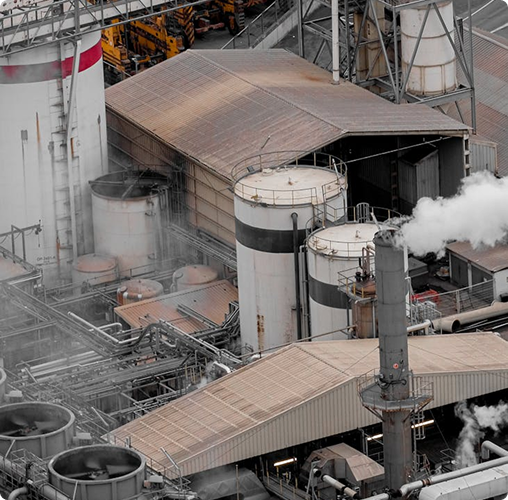
Refrigerant Demand & Indigenous Production
Expanding indigenous production of low-GWP refrigerants and enforcing safety standards can reduce reliance on imports while ensuring safe and sustainable cooling practices.
-
Develop safety standards for flammable refrigerants based on
IEC 60335-2-40.
-
Promote the production of low-GWP alternatives to high-GWP
HFCs like R-404A and R-407C.
-
Support indigenous development and commercial-scale
production of HFOs and low-GWP HFO-HFC blends.
-
Strengthen monitoring and enforcement of Petroleum &
Explosives Safety Organization (PESO) regulations for
disposable cylinders to ensure safety.

Transport air conditioning
Enhancing technician training, certification, and support in transport air conditioning ensures better service quality and promotes climate-friendly cooling solutions.
-
Assess nationwide demand for trained RAC service technicians
and the quality of training institutions.
-
Encourage industry participation in training delivery and
commitment to employ a fixed number of trained candidates
while promoting government engagement to utilize certified
technicians.
-
Develop online refresher courses on emerging technologies to
enhance technician skills and implement universal mandatory
certification for all technicians.
-
Introduce social security schemes providing health and life
insurance for RAC technicians.
-
Launch customer awareness programs emphasizing the
importance of hiring only certified technicians.
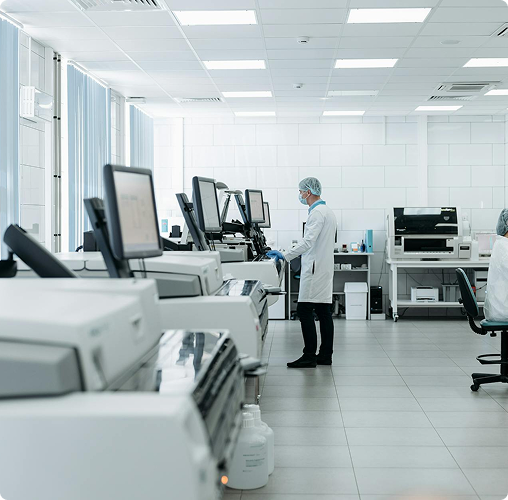
Research & Development
Promoting R&D in cooling technologies and low-GWP refrigerants can position India as a global hub for sustainable solutions, backed by institutional and scientific support.
-
Recognize cooling as a national
thrust area and promote R&D in areas such as building
design, new molecule development, equipment, servicing, and
refrigerant management.
-
Establish a national R&D framework
focused on low-GWP refrigerants and RAC to position India as
a hub for energy-efficient cooling solutions.
-
Form a steering committee for R&D with representatives from the
Ministry of Science and Technology, Ministry of Education,
Bureau of Energy Efficiency (BEE), and experts from academia
and industry.
-
Create a supportive scientific
environment for research on materials and refrigerants,
particularly next-generation molecules and energy-efficient
technologies like compressors and heat exchangers.
Benefits
Climate Benefits
Phasing down HFCs helps limit global warming and boosts energy efficiency, making cooling systems more sustainable and climate-friendly.
Significant Reduction in Radiative
Forcing:
HFCs have high GWPs (hundreds to thousands), making them major
contributors to radiative forcing. Phasing them down under the Kigali
Amendment could avoid up to 0.5°C of global warming by 2100. India's
Cooling Action Plan (ICAP) supports this by targeting a 20–30% reduction
in cooling demand and refrigerant use by 2037–38, while promoting
energy-efficient technologies and technician training.
Enhanced Energy
Efficiency:
Transitioning to low-GWP alternatives often leads to improvements in
energy efficiency. For instance, adopting advanced cooling technologies
can result in significant electricity savings, thereby reducing indirect
CO₂ emissions associated with energy production.

Health Benefits
Reducing HFC use and shifting to cleaner technologies can improve air quality, offering health co-benefits alongside climate gains.
Improved Air Quality:
While HFCs themselves are not major air pollutants, the processes
involved in their production, use, and disposal can release volatile
organic compounds (VOCs) and other pollutants. Reducing reliance on HFCs
and adopting cleaner technologies can improve air quality, leading to
health co-benefits.

Economic Benefits
Phasing down HFCs can unlock trillions in climate-related savings while driving innovation, creating jobs, and opening new markets for sustainable technologies.
Substantial Economic
Savings:
Implementing the Kigali Amendment is estimated to provide $37 trillion
in climate benefits over its lifetime. Accelerating the HFC phasedown
could increase these benefits to $41 trillion. These savings stem from
reduced climate-related damages and health costs.
Incentivizing
Innovation:
Policies like the American Innovation and Manufacturing (AIM) Act
encourage the development of next-generation technologies. This fosters
economic growth by creating new markets and job opportunities in the
manufacturing and servicing of climate-friendly alternatives.

Technological Benefits
Shifting to low-GWP refrigerants drives innovation in cooling technologies, resulting in better system performance, lower emissions, and reduced energy costs. environmental disruptions.
Advancements in Alternative
Refrigerants:
Ongoing research into low-GWP refrigerants like hydrofluoroolefins
(HFOs) has enabled the development of climate-friendly alternatives.
For example, tetrafluoropropene-based gas mixtures are being explored for use in various applications, offering similar performance with significantly lower GWPs.
Enhanced System
Performance:
Transitioning to low-GWP alternatives often necessitates the adoption of
newer, more efficient technologies. This can lead to improved system
performance, reduced energy consumption, and lower operational costs.